

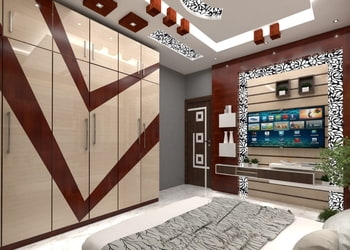
Space planning is the backbone of interior design. It involves analyzing the size, shape, and function of a room and strategically arranging furniture, décor, and architectural elements to create a seamless flow. Proper space planning ensures that every inch of a room is utilized effectively, maximizing comfort and usability while avoiding overcrowding or wasted areas.
In residential spaces, this may mean designing an open-plan living and dining area that encourages social interaction or creating private zones that offer solitude and relaxation. In commercial spaces, thoughtful layout design can improve workflow, enhance productivity, and create a welcoming environment for clients or employees. Designers use a combination of zoning, circulation patterns, and focal points to achieve balance and harmony, making spaces not just visually appealing but also highly functional.